What is Levitra?
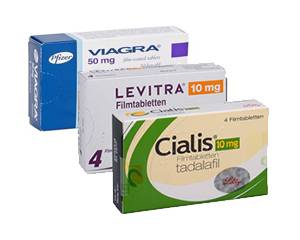
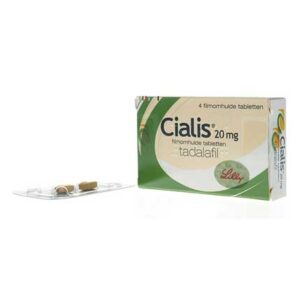
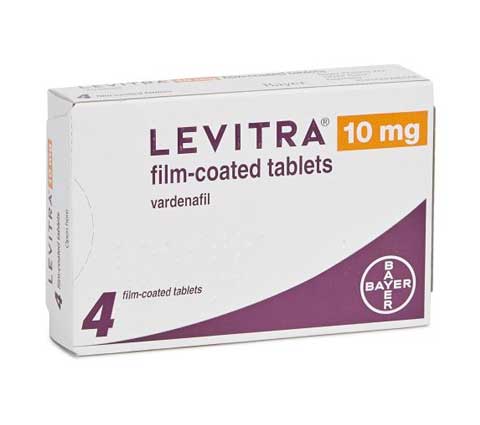
Levitra was developed for the treatment of erectile dysfunction. Like Viagra and Cialis, Levitra (vardenafil) is a type 5 phosphodiesterase (PDE5) inhibitor. Levitra is a widely prescribed medication that promotes blood circulation. It contains the active ingredient vardenafil and is also known by that name. Because the substance improves blood circulation, the medication is prescribed for erection problems. Vardenafil inhibits the process that breaks down the enzymes released during sexual arousal that cause an erection. As a result, the user is better able to achieve an erection and maintain it for longer.
Contrary to popular belief, Levitra does not cause a spontaneous and therefore potentially unwanted erection. Sexual arousal remains the sole trigger for an erection. The use of Levitra therefore leads only to the temporary return of normal erectile function in men where this is impaired.
When do you use Levitra?
If you are experiencing erection problems, using Levitra will reduce or even completely resolve these symptoms in most cases. You should take Levitra one to half an hour before sexual activity. It is not recommended to do this more than once a day. Levitra starts working after about fifteen minutes. The effect lasts for up to five hours.
When can you not use Levitra?
Levitra interacts with several other medications and drugs and may also have some side effects. You can read more about the possible side effects below. You cannot use Levitra in combination with products containing nitrates. These include products such as nitroglycerin, isosorbide mononitrate, isosorbide dinitrate, and some products that are also used for erectile dysfunction. The combination of Levitra with products containing nitrates can cause side effects. Furthermore, if you are taking medication for an HIV or hepatitis infection, its effectiveness may be impaired by Levitra. You should always inform your prescribing physician about your current medication use.
How should you use Levitra?
Levitra is prescribed in capsules and tablets. Preferably take these with water. The prescribing physician and the package leaflet may contain specific instructions for taking Levitra. You should always follow these instructions and contact a doctor if in doubt.
Dosage
Levitra is available in capsules and tablets. These are available in 5, 10, and 20 mg. Although it is generally advised against taking more than one dose per day, the amount and type of units you need will vary depending on the situation. This is at the discretion of the prescribing physician.
Possible side effects
The use of Levitra can cause side effects. These side effects are relatively rare and occur in only a small minority of users. Approximately ten percent experience issues such as stomach upset, headache, and dizziness. These symptoms are not dangerous and will disappear relatively quickly. It is also possible that such symptoms only occur during the initial period of your use. You should consult a doctor if symptoms persist or are severe.
Even rarer side effects include a prolonged and painful erection, heart rhythm disturbances, and muscle pain. In case of severe symptoms, you should always contact a doctor immediately. These symptoms occur only very rarely and usually in combination with an existing condition. You should therefore inform the doctor thoroughly about your medical history. For all side effects, the likelihood of their occurrence increases the more you exceed the prescribed dose.